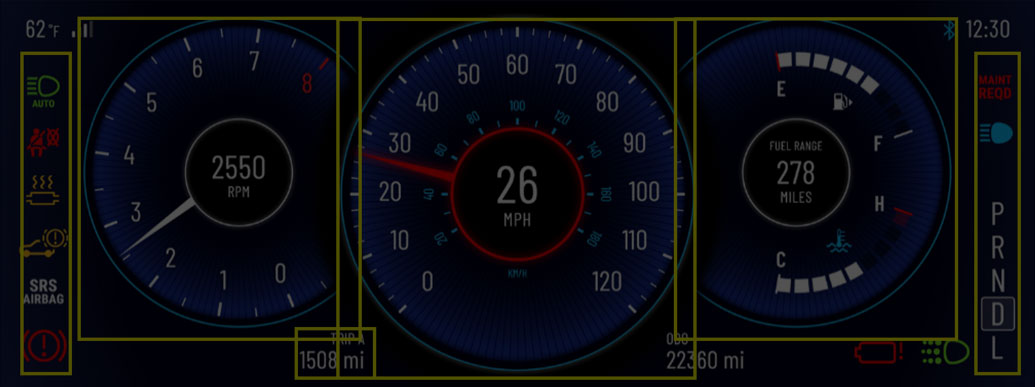
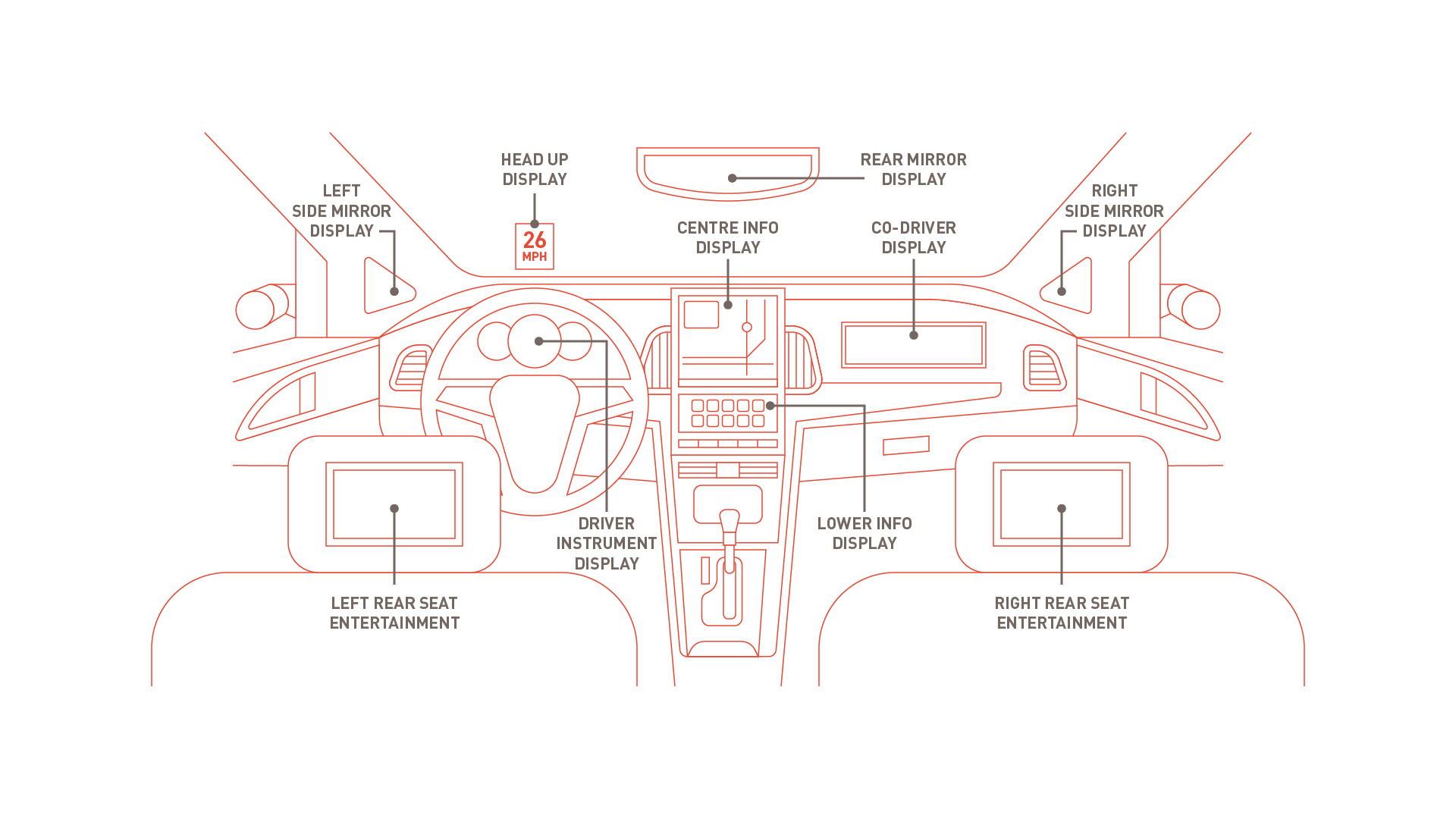
As vehicles become smarter and more connected, the number of high-resolution, interior displays in automobiles is growing – delivering information critical for performance, efficiency, and vehicle safety.
Video Electronics Standards Association (VESA) has released a new Compliance Test Specification (CTS) software model for its DisplayPort Automotive Extensions (DP AE) specification. DP AE represents the first standard for vehicle displays that can enable display safety engineers to achieve ISO 26262 ASIL-D – the holy grail of electronic safety integrity for road vehicles – as well as UN Regulation No. 155 (cyber security and cyber security management system) and ISO 21434, the international standard for automotive cybersecurity engineering.
A New Standard in Automotive Displays
VESA’s new Compliance Test Specification C-model accelerates validation and adoption of DP AE, enabling faster integration into automotive displays.
Designed to support the latest versions of DisplayPort (version 2.1a) and Embedded DisplayPort (eDP, version 1.5a), VESA’s DP AE standard provides support for automotive display functional safety (FuSa) and security.
How DP AE Works
DP AE supports end-to-end CRC validation, secure AUX messaging, and SPDM-based device authentication.
The included C-model emulator allows engineers to simulate, test, and verify DP-AE behavior virtually, accelerating compliance cycles and reducing risk. With backward compatibility and a flexible profile system, DP-AE enables scalable adoption across the automotive display ecosystem.
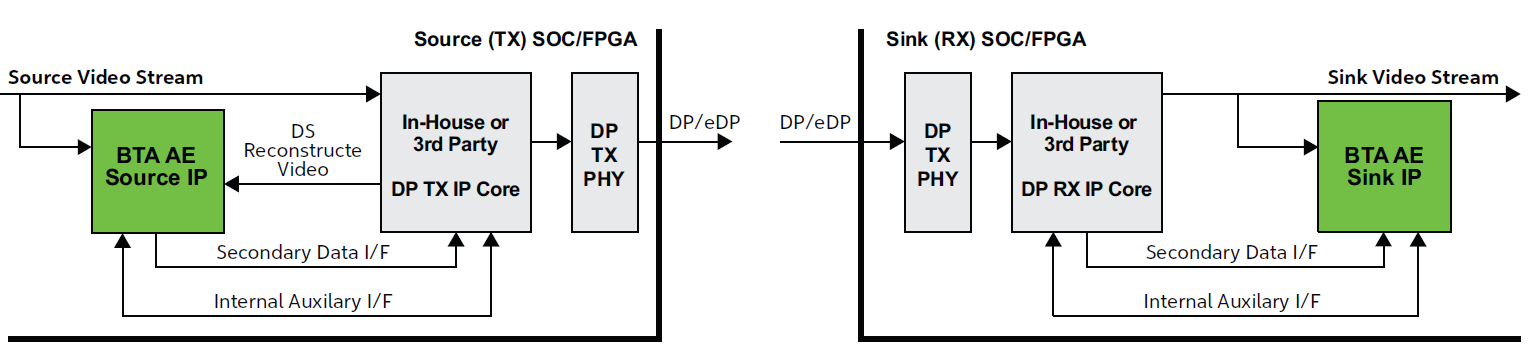
Featuring more than 500 tests for functional safety and security compliance, the new, fully executable Linux C-model allows silicon manufacturers to begin building and testing video source (electronic control unit/ECU), bridge (e.g., serializer/deserializer) and sink (e.g., timing controller) devices for automotive displays based on the VESA DP AE specification. The DP AE standard supports compressed and uncompressed video as well as Multi-Stream Transport (MST) for up to 16 display regions of interest.
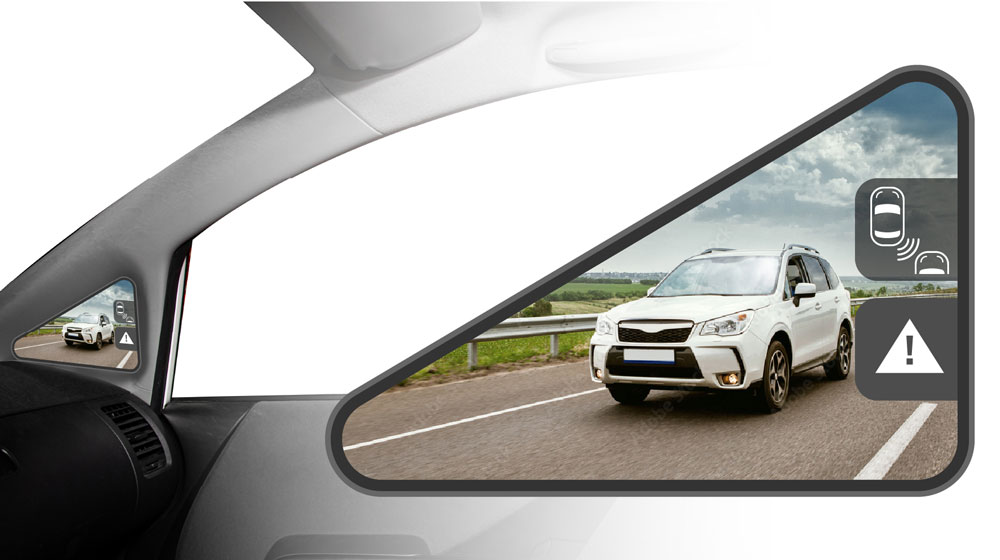
Most automotive displays currently use DisplayPort or eDP to carry video data from the ECU to the displays. In addition to its high video bandwidth capability, DisplayPort features MST, which enables multiple displays to be connected to a single DP source port. However, until the introduction of VESA’s DP AE standard, there was no standardized way to verify that the data transmitted from the ECU was received by the display in the same way that it was sent, ensuring it is free of random errors due to unpredictable failures in components, as well as protected against malicious tampering of frames.
Technical Specifications
VESA’s DP AE standard adds critical safety and security protocols on top of the existing DisplayPort 2.1a and eDP 1.5a spec. It features:
- Mandatory FuSa profile for the main data path and metadata that uses very-high-safety-rated cyclical redundancy check (CRC) polynomial mathematical signatures for every frame of video data across the data path. This ensures that a frame never gets dropped or repeated so that critical events are always captured and never missed.
- Advanced profiles that extend safety coverage to the DisplayPort AUX channel as well as security protection to both the DisplayPort AUX Channel and main data path.
- For security, end-to-end protection is supported using the standard DMTF SPDM protocol to establish a secure channel between the devices. Protection of the main data path is established using NIST compliant AES-GMAC on the frame as well as AES-GCM protection of the messages on the control plane.